Featured
The Basic Principles Of A Guide to Debt Relief Options fo...

3 Simple Techniques For The Pros to Consider When Conside...

Some Known Details About National Initiatives for Financial Assistance
Table of Contents
That liberates money in the brief term, and you might have 3 to 4 years to conserve toward the negotiation amount. Really unsafe to credit history, largely as a result of missed payments and a negative "worked out" mark that might remain on your credit score record for approximately seven yearsMay be just choice if other options (financial obligation consolidation, balance transfer bank card, debt mercy) aren't possibleTypically calls for a cost to the 3rd party, which might counter some or every one of the financial savings from debt settlementMay help you avoid bankruptcy if you've missed a number of paymentsNot all financial institutions collaborate with financial obligation negotiation firms Debt mercy might be best for you if you are experiencing a monetary challenge that makes it almost impossible to pay down your financial debt equilibriums.
With a DMP, you make one regular monthly repayment to the credit history therapy agency. Those funds are after that dispersed to lenders of your unsecured debts, such as credit scores cards and installment financings. The company deals with your creditors to lower rate of interest or waive costs, however some lenders may refuse such giving ins.
It can help you pay down financial debt if you're able to safeguard a car loan price that's reduced than the average rate of the accounts you're combining. You have to abstain from racking up financial obligation on those newly gotten rid of accounts or your financial obligation could expand even greater.
That offers you plenty of time to get rid of or significantly decrease your balance while making interest-free settlements.
Not known Factual Statements About Actual Testimonials of Bankruptcy Counseling Users
You might require it if your creditor or a collection firm ever attempts to gather on the financial debt in the future. When a loan provider forgives $600 or more, they are required to send you Form 1099-C.
Financial obligation mercy or settlement often hurts your credit rating. Anytime you clear up a financial debt for much less than you owe, it may look like "resolved" on your credit report and influence your credit rating for seven years from the date of negotiation. Your credit can likewise go down significantly in the months bring about the forgiveness if you fall back on repayments.
The 10-Minute Rule for "Debt Forgiveness Ruins Your Future" and Other Myths
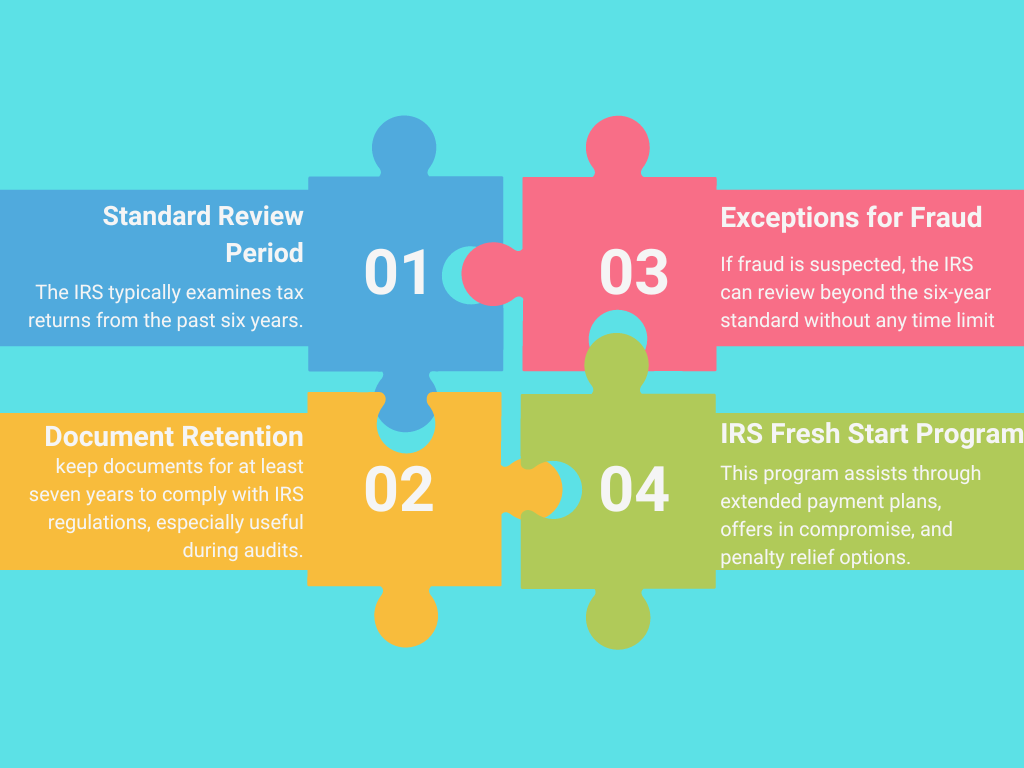
This scenario often results from underreporting earnings, not submitting returns on time, or inconsistencies found throughout an IRS audit. The effects of accumulating tax debt are major and can consist of tax liens, which offer the IRS a legal case to your home as safety for the debt.
Salaries and Bank Accounts Internal revenue service can impose (seize) earnings and bank accounts to satisfy the financial debt. Residential property Seizure In severe cases, the IRS can seize and offer residential property to cover the financial obligation.
Anxiety, anxiousness, and other mental health problems. Social Preconception Dealing with lawful action from the internal revenue service can lug social preconception. Damages to online reputation and relationships. Employment Opportunities A poor credit history because of strain financial obligation can limit employment possibility. Trouble searching for or keeping a job. Government Benefits Tax obligation financial obligation might influence eligibility for federal government benefits, such as Social Protection and Medicaid.
The Definitive Guide to Actual Stories from Individuals Who Found Freedom
The OIC considers numerous factors, consisting of the taxpayer's revenue, costs, property equity, and ability to pay. Successfully negotiating an OIC can be complicated, needing an extensive understanding of the internal revenue service's standards and a solid argument for why your offer straightens with your ability to pay. It is necessary to note that not all applications are approved, and the process requires comprehensive financial disclosure.
The IRS examines your general financial scenario, including your income, costs, possession equity, and capacity to pay. You should likewise be existing with all filing and settlement demands and not be in an open bankruptcy proceeding. The internal revenue service also considers your conformity history, reviewing whether you have a document of timely filing and paying tax obligations in previous years.
Get This Report on Community-Based 5 Secrets to Reduce Credit Card Debt Effectively : APFSC Organizations Reviewed
The application procedure for a Deal in Compromise entails a number of detailed actions. You need to complete and submit IRS Kind 656, the Offer in Compromise application, and Form 433-A (OIC), a collection info declaration for people. These forms need detailed financial info, including information regarding your income, financial debts, expenditures, and possessions.
Back tax obligations, which are overdue taxes from previous years, can dramatically enhance your complete internal revenue service debt otherwise attended to quickly. This financial debt can accumulate rate of interest and late settlement penalties, making the initial quantity owed much larger gradually. Failure to pay back tax obligations can result in the IRS taking enforcement activities, such as issuing a tax obligation lien or levy versus your home.
It is essential to address back taxes immediately, either by paying the complete quantity owed or by organizing a settlement strategy with the internal revenue service. By taking positive steps, you can stay clear of the buildup of additional passion and charges, and protect against a lot more aggressive collection actions by the internal revenue service.
One typical reason is the belief that the taxpayer can pay the total either as a round figure or through a layaway plan. The IRS also considers the taxpayer's revenue, expenses, asset equity, and future earning potential. If these aspects indicate that the taxpayer can afford to pay more than the provided amount, the internal revenue service is likely to turn down the offer.
Some Known Questions About Support Offered Through 5 Secrets to Reduce Credit Card Debt Effectively : APFSC Providers.
It is crucial to offer accurate and complete info in your application and to seek advice from a tax professional to improve the opportunities of acceptance. Dealing with internal revenue service debt can be complex and overwhelming. Tax professionals, such as CPAs, tax obligation lawyers, or registered representatives, can supply very useful help. They have the expertise to navigate the ins and outs of tax obligation regulation and internal revenue service procedures.

Table of Contents
Latest Posts
Not known Facts About How Much Debt Counseling Typically Cost
Non-Profit When a Business Fails: Personal Debt Strategies for Former Small Business Owners Options Compared for Dummies

The Basic Principles Of A Guide to Debt Relief Options for Burdened Families
More
Latest Posts
Not known Facts About How Much Debt Counseling Typically Cost
Non-Profit When a Business Fails: Personal Debt Strategies for Former Small Business Owners Options Compared for Dummies
The Basic Principles Of A Guide to Debt Relief Options for Burdened Families